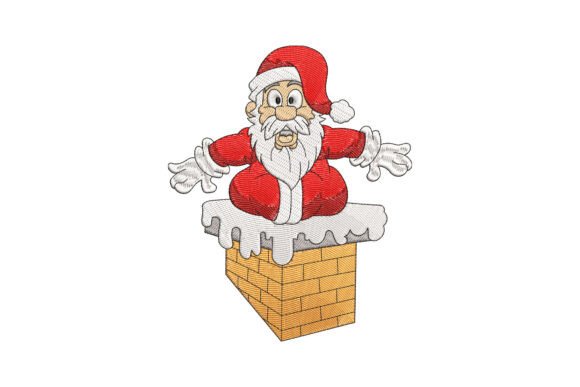
Cookies for Santa: A Designer’s Review for Merch
As an experienced embroidery designer, I spend my days evaluating digital files not just for their aesthetic appeal, but for their viability in commercial production. When a new design enters the market, especially one tied to high-volume seasons like Christmas, the question is never just "does it look nice?" It is "will this hold up on a cap? Will it translate well to a small patch? Does it elevate the brand or clutter it?" Today, I am reviewing the Cookies for Santa machine embroidery design with a specific focus on its utility for small business merchandise, branded patches, and custom apparel.
The product description highlights that this is a high-quality, fun, and easy-to-stitch design that promises to look elegant and eye-catching. For a business owner or an Etsy seller looking to expand their holiday inventory, these are strong selling points. However, from a technical standpoint, we need to dig deeper into how this embroidery file performs when moved from the screen to the hoop.
First Impressions and Visual Personality
The title Cookies for Santa immediately sets a tone of warmth, hospitality, and festive cheer. In the world of branding, this is a powerful combination. It suggests a handmade, approachable vibe rather than a corporate or rigid aesthetic. This makes the design particularly suitable for businesses that rely on personal connection with their customers.
Visually, the promise of elegance combined with fun suggests a balanced composition. It likely avoids the overly chaotic elements that plague many holiday designs, opting instead for clean lines and readable shapes. For a small business, this clarity is crucial. You want your logo or accent design to be instantly recognizable, even when stitched onto a busy fabric texture or viewed from a distance at a craft fair. The design feels playful yet professional, striking the right balance for brands that want to celebrate the season without sacrificing their core identity.
Real-World Business Applications
Where does Cookies for Santa truly shine in a commercial setting? Let’s break down its potential across various product categories.
- Embroidered Patches: This design is an excellent candidate for iron-on or sew-on patches. Small businesses often use patches as a way to add value to plain goods. Imagine a boutique selling plain canvas totes or denim jackets; adding a cookies for santa patch transforms a generic item into a unique, seasonal piece. Because the design is described as "easy to stitch," it likely has a manageable stitch count, making production faster and more cost-effective for bulk orders.
- Staff Uniforms and Aprons: For local bakeries, cafes, or florists, uniform branding is essential. A subtle apron embroidery featuring this motif can create a cohesive team look while adding a touch of holiday spirit. It humanizes the staff and makes the customer experience feel more intimate. It works particularly well as a chest logo accent or a sleeve detail where it doesn’t interfere with the primary brand logo but still communicates seasonal availability.
- Cap Embroidery: Custom hats are a staple of small business merch. The design’s likely compact nature makes it suitable for the front panel of a baseball cap or the side of a beanie. It serves as a great promotional item for holiday events or markets, increasing brand visibility in a wearable format.
- Tote Bag Design: Eco-friendly shoppers love reusable bags. A tote bag design featuring this motif appeals to the gift-buying demographic. Whether used as a giveaway at a trade show or sold as part of a holiday bundle, it adds functional value to the purchase.
- Product Packaging Accents: Don’t overlook the power of packaging. Stitching this design onto a hang tag, a gift box lid, or a fabric label inside a garment elevates the unboxing experience. It signals attention to detail and care, which directly impacts brand identity and customer trust.
Strategic Considerations and Limitations
No design is perfect for every application. As a designer, I must advise caution in specific scenarios to ensure the highest quality finished product.
Small Patch Sizes: If you intend to digitize this into a very small patch (under 2 inches), you must scrutinize the details. Tiny lettering or intricate outlines may become muddy or illegible when scaled down. Always test the design at its intended final size before committing to production.
Curved Surfaces: While caps and sleeves offer curved surfaces, complex curves can distort straight lines. Ensure your digitizer has accounted for proper underlay and tension adjustments so the design lays flat and doesn’t pucker.
High Stitch Density: Check the stitch density of the file. High density can make a design stiff and heavy, which is undesirable for lightweight fabrics like silk or thin cotton blends. For items that require frequent washing, such as work shirts or aprons, lower density or balanced density ensures the embroidery remains flexible and durable.
Fabric Texture and Color: The description mentions the design will look elegant on any fabric. However, embroidered results vary significantly based on material. On a textured burlap tote, fine details may get lost. On dark uniforms, thread contrast is paramount. You must select thread colors that provide sufficient contrast against the base fabric to maintain readability.
Impact on Brand Identity and Customer Trust
In the competitive landscape of handmade products and Etsy branding, visual consistency is key. Using a cohesive set of design assets helps build a recognizable brand language. Cookies for Santa, with its friendly and elegant profile, reinforces a brand image that is welcoming and festive.
When a customer sees a consistent, high-quality embroidered mark on multiple touchpoints—from the hat they wear to the tote they carry—it builds subconscious trust. It tells them that your business pays attention to quality. This perceived professionalism allows you to command higher price points and fosters loyalty. Furthermore, the "handmade" aesthetic associated with embroidery resonates deeply with consumers who value artisanal craftsmanship over mass-produced goods.
Practical Designer Notes for Production
Before you upload this digital embroidery file to your production queue, follow these essential steps to mitigate risk:
- Test in Black and White: Convert the design to monochrome first. This helps you evaluate the balance of negative space and solid areas without the distraction of color. If the shape holds up in black and white, it will likely succeed in color.
- Check Hoop Size: Confirm the required hoop size matches your available equipment. Large designs may limit your placement options on certain garments.
- Stabilizer Selection: Choose the correct stabilizer for your fabric. Heavy cut-away stabilizers are needed for stretchy knits, while tear-away may suffice for wovens. Incorrect stabilization leads to puckering and misalignment.
- Create a Printable Mockup: Before stitching the first physical sample, generate a printable mockup to visualize the design on your actual product. This saves time and material costs.
- Commercial Licensing: Most importantly, verify the licensing terms. Ensure you have the right to use this commercial embroidery design for resale. Many digital files are restricted to personal use only.
- Thread Contrast and Spacing: Inspect the spacing between elements. Tight spacing can cause threads to overlap and lose definition. Ensure the chosen thread palette enhances, rather than muddies, the design’s intent.
In conclusion, the Cookies for Santa embroidery design offers a compelling blend of festive charm and professional polish. For small business owners, crafters, and designers looking to capitalize on the holiday season, it presents a versatile option for enhancing merchandise, uniforms, and gifts. By adhering to best practices in testing and production, you can leverage this design to strengthen your brand identity and delight your customers.