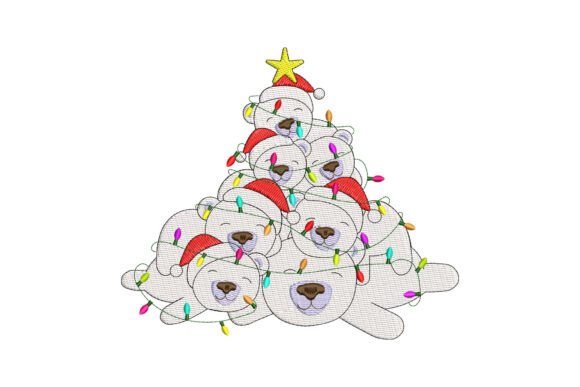
Polar Bear Christmas Tree Design Review
As an experienced embroidery designer, I spend a significant portion of my day evaluating digital assets for commercial viability. When a new file enters the queue, I am not just looking at aesthetics; I am analyzing stitch density, scalability, and brand potential. Today, we are reviewing the Polar Bear Christmas Tree, a design marketed as adding "stylish flair" to projects for both beginners and experts. For small business owners, Etsy sellers, and merch creators, understanding how this machine embroidery design translates from screen to fabric is crucial before committing to production.
First Impressions: Visual Personality and Style
The title Polar Bear Christmas Tree immediately suggests a blend of winter whimsy and holiday tradition. From a design perspective, this combination offers a unique opportunity to stand out in a saturated market. Most holiday merchandise relies heavily on reds, greens, and traditional Santa motifs. A polar bear introduces a cooler color palette—whites, icy blues, and silvers—which can feel more modern and premium compared to standard festive wear.
The description promises a "stylish flair," which implies that the design likely avoids overly cluttered or childish elements. For a boutique or creative studio, this is a positive indicator. It suggests the design has enough visual weight to be noticed but remains elegant enough for professional settings. Whether it leans towards rustic, playful, or minimalist will determine its best use cases, but generally, animal-themed holiday designs have high appeal across demographics, making them versatile for various small business merch categories.
Real-World Business Applications
Where does Polar Bear Christmas Tree truly shine in a commercial context? Let’s look at specific product lines where this embroidery file could drive sales and enhance brand identity.
- Embroidered Patches: This design is an excellent candidate for iron-on or sew-on patches. Small businesses often sell these as collectibles or branding tools. The central subject (the bear) allows for a clear focal point, while the tree element provides a balanced silhouette that fits well within standard patch dimensions.
- Staff Uniforms and Aprons: For bakeries, cafes, or florists operating during the holiday season, this design offers a way to boost team morale and customer experience. Placing a subtle version on the chest pocket of an apron or the cap front adds a touch of seasonal warmth without compromising professionalism. It signals to customers that the business embraces the holiday spirit in a tasteful manner.
- Tote Bag Designs: Canvas totes are a staple for handmade brands and craft fairs. A polar bear christmas tree motif works beautifully here because the white fur contrasts sharply with natural canvas colors. It creates a clean, high-end look that appeals to shoppers looking for sustainable, reusable gift bags.
- Cap Embroidery: Baseball caps remain a top seller for custom apparel. The rounded surface of a cap requires designs that are compact and legible. If the Polar Bear Christmas Tree design is structured correctly, it can serve as a standout logo for event merchandise, corporate gifts, or limited-edition drops.
- Product Packaging Accents: Beyond apparel, consider using this design on branded tags attached to knitwear, scarves, or candles. A small embroidered label featuring the design elevates the perceived value of the finished product, making it feel like a luxury item rather than mass-produced goods.
Brand Identity and Customer Trust
Consistency is key to building a recognizable brand. Using a cohesive set of design assets ensures that your customers associate specific visuals with your quality standards. The Polar Bear Christmas Tree design, if executed well, can reinforce a brand image that is friendly, approachable, yet sophisticated. When customers see high-quality stitching on a custom apparel item, it builds trust in the craftsmanship behind the entire brand. It shows attention to detail—a trait buyers value highly in handmade products.
Strategic Considerations and Limitations
No design is perfect for every application. As a reviewer, I must highlight areas where caution is needed when implementing this digital embroidery file.
Size Constraints: If you plan to scale this design down to a very small patch size (under 2 inches), details may get lost. Fine lines in the tree branches or facial features of the bear might merge together, resulting in a muddy appearance. Always test the design at its intended final size before bulk production.
Fabric Texture and Color: Embroidery interacts dynamically with fabric. On dark uniforms or textured fabrics like heavy wool, the white threads of the polar bear might require a dense underlay to prevent showing through. Conversely, on light linens, the design might lack contrast if the thread colors are too similar to the base material. Ensure you select thread colors that pop against your chosen substrate.
Stitch Density and Hoop Size: High stitch density can cause puckering, especially on lightweight materials. Check the recommended hoop size for this design. If the design is large, it may limit where it can be placed on garments like sleeves or collars. Additionally, verify that the design includes appropriate stabilizer recommendations to maintain shape integrity after washing.
Curved Surfaces: While great for flat items like tote bags, applying this design to curved surfaces like caps requires careful digitizing techniques. If the original file is not optimized for curvature, it may distort when stitched onto a rounded brim.
Practical Designer Notes for Production
Before integrating Polar Bear Christmas Tree into your product line, follow these essential steps to ensure a professional outcome:
- Test in Black and White: Convert the design to monochrome to check contrast and balance. If the shapes read clearly in black and white, they will likely work well in color.
- Review Thread Color Contrast: Experiment with different thread combinations. Does the white bear stand out against the blue tree? Are the accents visible? Proper contrast is vital for readability.
- Inspect Spacing and Density: Look closely at the spacing between stitches. Gaps that are too wide can look unfinished, while overly dense areas can stiffen the fabric.
- Confirm Hoop Size and Stabilizer: Ensure your machine setup matches the design requirements. Using the wrong stabilizer can lead to registration issues or fabric damage.
- Create a Printable Mockup: Before investing in physical samples, create a digital mockup to visualize the design on your actual products. This helps in client approval processes and marketing preparations.
- Check Commercial Licensing: Verify that you have the right to use this embroidery file for commercial purposes. Many designers offer separate licenses for personal vs. business use. Unauthorized commercial use can lead to legal issues.
Final Verdict
The Polar Bear Christmas Tree design presents a strong opportunity for small businesses looking to capitalize on the holiday season with stylish, high-quality merchandise. Its versatility makes it suitable for a wide range of applications, from apron embroidery to branded patches. However, success depends on proper execution. By paying attention to fabric choice, stitch density, and licensing, you can transform this digital asset into a tangible product that enhances your brand identity and delights customers. For those seeking a blend of festive charm and professional polish, this design is a worthy contender for your next collection.