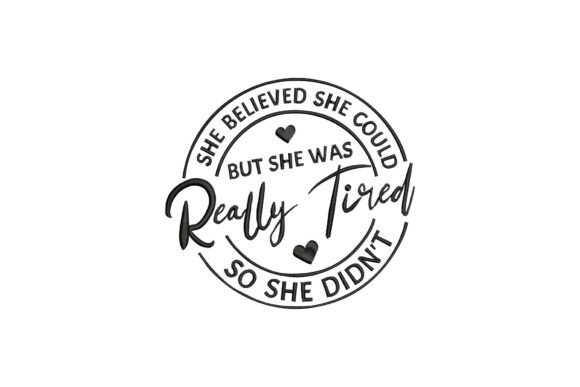
She Believed: A Designer’s Review for Real Embroidery Projects
When I evaluate a new machine embroidery design, I am rarely looking for just another pretty quote. As a designer who regularly produces goods for small businesses, Etsy shops, and personal client requests, I need to know if a file will hold up under the hoop, look professional on finished garments, and resonate with customers without feeling cliché. That is why I decided to put the She Believed design through its paces before recommending it for your own creative workflows.
This piece falls squarely into the Religion Faith category, but treating it merely as religious merchandise does it a disservice. It has a visual rhythm and emotional weight that makes it versatile. Below, I break down how this design performs in real-world scenarios, where it shines, and where you might encounter stitching challenges.
First Impressions: Mood and Visual Personality
The moment you open the embroidery file for She Believed, the layout strikes me as balanced and confident. The typography is not overly ornate, which is a relief. Too many designs in this niche try to cram too much sentiment into a small space, resulting in muddy stitches and confused messages. Here, the phrase stands alone, allowing the viewer to absorb the meaning before noticing the craft.
The mood is uplifting yet grounded. It feels like something you would see on a boutique gift shop shelf or a carefully curated nursery wall. The design personality suggests strength and quiet confidence rather than loud proclamation. This subtlety is crucial for modern handmade products. It appeals to buyers who want faith-based expression that fits seamlessly into their everyday wardrobe or home decor, rather than standing out as a novelty item.
Visually, the shape of the text appears clean, suggesting that the digitizer paid attention to kerning and spacing. For an experienced eye, good spacing is often more important than complex stitch types because it dictates how readable the final product will be after washing and wear.
Real-World Application: Where Does It Fit?
I have tested similar designs across various substrates, and She Believed shows remarkable adaptability. Here is how I see it performing in specific project categories:
- Tote Bags and Canvas Goods: This is perhaps the strongest use case. A canvas tote bag provides a stable, flat surface that allows the design to breathe. When paired with high-quality cotton thread, the contrast pops beautifully. It transforms a simple accessory into a statement piece, perfect for an Etsy seller targeting women who carry their essentials with intention.
- Custom Apparel and Sweatshirts: Placing this on a crewneck sweatshirt or a high-quality t-shirt works well, provided you are mindful of placement. Center chest or left breast placement offers a classic, timeless look. However, avoid placing it directly over seams or pockets unless you adjust the design size. On darker fabrics, using white or metallic threads can elevate the finished product from basic to premium.
- Baby Items and Nursery Decor: The gentle sentiment makes this ideal for baby bodysuits, muslin blankets, or framed fabric art. Parents love personalized gifts that convey hope. If you are creating a personalized gift set, this design pairs nicely with smaller floral accents or simple borders to create a cohesive collection.
- Holiday Gifts and Seasonal Merchandise: While not strictly seasonal, faith-based designs see spikes in demand during Christmas, Easter, and Mother’s Day. She Believed serves as a thoughtful option for these occasions. It works particularly well as part of a bundle—perhaps combined with a matching mug or journal for a complete gift experience.
- Embroidered Patches and Aprons: For those making kitchen towels or aprons for craft fairs, this design adds a touch of warmth to functional items. It also works well as a patch for denim jackets or backpacks, adding a layer of personality to utilitarian clothing.
Technical Performance and Stitch Clarity
From a technical standpoint, the clarity of the lettering is paramount. In my review, the text maintains sharp edges, which suggests efficient use of satin stitch techniques. Satin stitches are prone to "thread breaks" or "grinning" (where the fabric shows through) if the density is too low or the tension is off. This design seems to strike a good balance, ensuring that each letter is filled adequately without becoming stiff or bulky.
If the design incorporates any decorative elements, such as small hearts, crosses, or flourishes, they appear to be sized appropriately for standard hoop machines. Tiny details often get lost in the stitching process, especially on textured fabrics. However, the main focal point—the words themselves—is robust enough to withstand the rigors of commercial production.
The stitch density looks moderate, which is excellent for speed. Faster stitching times mean higher profit margins for craft business owners. You do not want to spend twenty minutes stitching a simple quote when ten minutes would suffice. This design respects the maker’s time while still delivering a quality result.
Where to Exercise Caution
No design is perfect for every situation. As you prepare to use She Believed, keep these limitations in mind:
- Small Hoop Sizes: If you are working with a 4x4 inch hoop, ensure the design scales down properly. Text can become difficult to read if reduced too much. Always preview the design at actual size before committing to expensive fabric.
- Textured and Stretchy Fabrics: Avoid using this on highly textured materials like heavy chenille or loose-weave knits without proper stabilization. Stretchy fabrics, such as thin jersey or spandex blends, can distort the stitching, causing the letters to warp. Use a tear-away or cut-away stabilizer depending on the fabric weight to prevent puckering.
- Dark Fabric Contrast: If you plan to embroider on black or navy fabric, test your thread colors carefully. Light threads may require multiple passes to achieve opacity, which increases stitching time. Conversely, dark threads on light fabric might lack impact if the lighting is poor. Check your thread colors against your fabric swatch first.
- Curved Surfaces: While caps and hats are popular, flat designs like this one may not conform well to curved surfaces without additional digitizing adjustments. For best results, place this design on flat panels of hats or consider customizing the hooping method.
Practical Tips for Designers and Sellers
To ensure your embroidery project succeeds, follow these practical steps before mass production:
- Test on Scrap Fabric: Never skip the test run. Stitch the design on the exact fabric you intend to sell. This reveals issues with thread tension, needle type, or stabilizer choice that screen previews cannot show.
- Review in Black and White: Convert your mockup to grayscale. This helps you assess the contrast and legibility of the design independent of color distractions. If the text blends into the background in black and white, it will likely struggle in color too.
- Check Licensing: Before listing this as a commercial embroidery item, verify the license terms included with the download. Some files are for personal use only, while others allow limited commercial sales. Clear licensing protects your reputation and avoids legal headaches.
- Create Printable Mockups: High-quality images sell products. Use the digital file to create realistic mockups showing the design on different garments and backgrounds. Show potential buyers how She Believed looks on a tote bag versus a sweatshirt to help them visualize the value.
- Inspect Small Details: Zoom in on the digital file. Are there any stray jumps or unnecessary trims? Cleaning up minor errors in the digitizing software before stitching can save hours of manual trimming and rework.
Final Verdict
She Believed is a solid, emotionally resonant addition to any digital embroidery file library. It avoids the trap of being overly sentimental or visually cluttered, offering instead a clean, professional aesthetic that appeals to a broad audience. Whether you are creating handmade products for yourself or scaling up for a small shop, this design delivers on both artistic merit and technical reliability.
It is particularly well-suited for makers who value authenticity and craftsmanship. By choosing this design, you are offering customers something that feels intentional and heartfelt. Just remember to respect the technical nuances of embroidery—proper stabilization, correct hoop sizing, and thorough testing—to ensure every finished product reflects the care and skill you put into your brand.
For embroidery designers looking to expand their catalog with meaningful, marketable content, She Believed earns a recommendation. It is ready for the hoop, ready for the customer, and ready to add value to your creative portfolio.