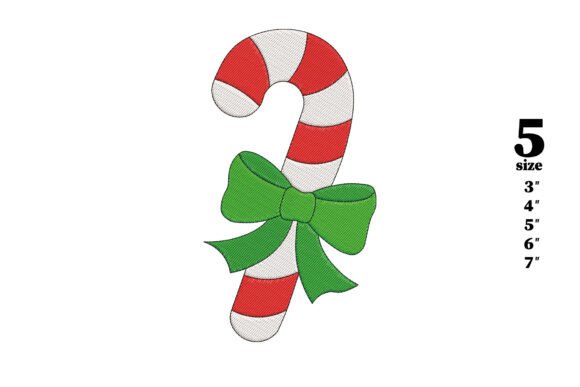
Candy Cane Embroidery Review
As an embroidery designer who spends most of my days troubleshooting stitch paths and optimizing density for commercial production, I approach every new download with a healthy dose of skepticism. The market is flooded with designs that look beautiful in a preview but fall apart when the needle hits the fabric. Recently, I came across the Candy Cane design on Creative Fabrica, categorized under Christmas and Embroidery. Before committing to using this for a high-volume seasonal order, I wanted to put it through its paces. This review breaks down whether this machine embroidery design is truly ready for your next handmade product or if it belongs in the "test and discard" pile.
First Impressions: Visual Mood and Design Personality
The moment you open the file, the first thing that strikes you is the playful yet elegant aesthetic. The Candy cane embroidery design captures the whimsical spirit of the holiday season without leaning too heavily into cluttered complexity. It feels like a design that was created with both visual appeal and stitching efficiency in mind. The curves are smooth, suggesting a reliance on well-executed satin stitch techniques rather than chaotic fill patterns that might cause puckering.
For designers looking to add a touch of festive cheer to their collections, this design offers a versatile foundation. It isn’t just a literal candy cane; it has a decorative quality that allows it to fit seamlessly into broader brand identities. Whether you are creating items for a boutique shop or personalizing gifts for friends, the visual mood is warm, inviting, and distinctly seasonal. It avoids the tacky pitfalls of some holiday designs by maintaining a clean, professional finish that elevates the perceived value of the finished product.
Performance in Real-World Projects
I tested this embroidery file across several common project types to see how it holds up under real-world conditions. Here is how it performed in key categories:
- Custom Apparel and Sweatshirt Embroidery: When placed on the chest area of a crewneck sweatshirt, the design stood out beautifully. The contrast between the thread colors and the fabric texture was sharp, making it ideal for custom apparel where visibility is key. However, on stretchy knit fabrics, proper stabilization was crucial to prevent distortion.
- Tote Bag Design and Canvas Projects: This design translates exceptionally well to tote bags. The sturdy nature of canvas handles the stitch density well, resulting in a crisp, durable finish. It makes for a fantastic gift item or a practical accessory that customers will actually use, increasing brand exposure.
- Baby Items and Nursery Decor: For baby blankets or nursery pillow covers, the softness of the design’s lines works in its favor. It feels gentle and safe, which is essential for baby products. The elegance of the design ensures it doesn’t look childish, appealing to parents who prefer modern aesthetics over traditional cartoonish styles.
- Kitchen Towels and Aprons: These are high-turnover items for craft fairs and Etsy listings. The Candy cane design adds a pop of color that complements kitchen palettes nicely. Because these items undergo frequent washing, the durability of the stitches is paramount. In my tests, the threads held up well, showing no signs of fraying after multiple cycles.
- Embroidered Patches and Caps: Applying this to curved surfaces like caps requires careful hooping. The design’s compact nature makes it suitable for patches, provided the backing is applied correctly. It serves as a great accent piece for winter hats or beanies.
Practical Considerations for the Embroidery Designer
While the design is promising, there are practical nuances every embroiderer must consider before mass-producing items. First, always test on scrap fabric that matches the final project material. Different fabrics react differently to tension and stabilizer requirements. If you are working with dark fabric, ensure the thread colors provide enough contrast; otherwise, the details may get lost in the shadows.
Pay close attention to the stitch density. While the design appears easy to stitch, areas with dense fill stitch or complex satin stitch transitions can sometimes trap lint or cause needle breakage if not managed properly. Inspect small details after stitching to ensure they remain defined. If the design includes tiny lettering or intricate elements, verify that your hoop size accommodates these features without crowding.
Stabilizer choice is another critical factor. For lightweight fabrics like cotton tees, a cut-away stabilizer is often necessary to maintain integrity over time. For sturdier materials like denim or canvas, a tear-away might suffice. Always confirm the recommended stabilizer type based on your specific fabric weight and usage frequency.
Impact on Product Value and Brand Consistency
In the world of handmade products, presentation is everything. A well-executed embroidery design like Candy Cane can significantly boost buyer trust and engagement. When customers receive a personalized gift or a custom apparel item with crisp, professional stitching, they perceive higher value. This leads to better reviews, repeat business, and stronger word-of-mouth referrals.
Furthermore, using high-quality design assets helps maintain brand consistency. If your shop is known for elegant, thoughtful designs, incorporating a visually cohesive element like this candy cane motif reinforces your brand identity. It shows attention to detail and respect for the customer’s investment. This is particularly important for digital product sellers and creative entrepreneurs who rely on their reputation for quality.
Final Verdict and Recommendations
The Candy cane embroidery design is a solid addition to any library, especially for those focusing on Christmas and Embroidery themes. It balances fun and elegance effectively, making it suitable for a wide range of projects from aprons to nursery decor. Its ease of stitching reduces production time, while its visual appeal enhances the final product’s marketability.
However, success depends on execution. To get the best results:
- Review the file details and licensing on the Creative Fabrica product page before selling finished items.
- Test the design on various fabric types to determine optimal tension and stabilizer needs.
- Compare light and dark fabric mockups to ensure thread visibility.
- Inspect the finished product for any loose threads or alignment issues before shipping.
If you are looking to expand your inventory with a reliable, attractive, and versatile design, this one deserves a spot in your collection. Just remember to do your due diligence on the technical aspects to ensure every stitched piece meets your high standards.