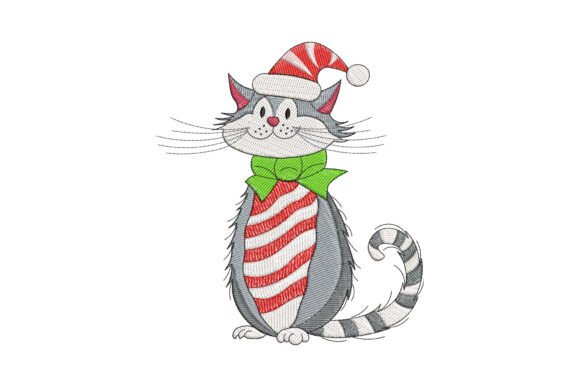
Funny Cat Christmas Embroidery Review
As an experienced embroidery designer, I spend my days analyzing how digital files translate into physical products. When a client or a fellow entrepreneur brings me a design like Funny Cat Christmas, I don’t just look at the aesthetic; I evaluate its viability for commercial use. For small business owners, Etsy sellers, and apparel decorators, the difference between a craft project and a sellable product often lies in the details of execution, brand alignment, and durability. This review breaks down how this specific machine embroidery design performs when applied to branded merchandise, patches, and custom apparel.
First Impressions: Personality Meets Professionalism
The title Funny Cat Christmas immediately signals a playful, approachable tone. In the world of branding, personality is currency. A design that feels "full of personality," as described, can significantly boost customer engagement. From a design perspective, this suggests a motif that is likely bold enough to be recognized instantly but friendly enough to invite interaction. It avoids the stiffness of corporate logos while maintaining enough structure to look intentional rather than amateurish.
For brands in the pet industry, cozy home goods, bakery items, or creative studios, this visual language works exceptionally well. It bridges the gap between holiday cheer and everyday whimsy. However, the key question for any designer is whether the "funny" element translates clearly at smaller scales. Does the cat’s expression read as humorous or confused? Is the Christmas theme clear without being cluttered? These are the nuances we assess before approving a design for mass production.
Real-World Business Applications
Let’s explore where Funny Cat Christmas shines in actual commercial scenarios. The description notes it is perfect for t-shirts, tote bags, and decorative fabric pieces, but let’s expand on those applications with a professional lens.
- Embroidered Patches: This design has strong potential as a sew-on patch. Patches are a staple for boutique merch and staff uniforms. If the design has clean edges, it can serve as a chest logo accent for aprons or work shirts, adding a touch of character to otherwise plain uniforms.
- Tote Bag Design: Tote bags are high-margin items for craft businesses. A central placement of this design on a canvas tote creates a statement piece. Because the design is described as easy to stitch, it reduces production time, allowing you to fulfill orders faster.
- Cap Embroidery: Caps remain a top seller for events and local promotions. If the design is compact, it fits well on the front panel of a cap. However, curvature can distort details, so testing the digitization on a curved surface is crucial.
- Apron Embroidery: For cafes, bakeries, or florists, branded aprons are both functional marketing tools and desirable retail products. Placing this design on the bib or pocket area adds warmth to the brand identity.
- Product Packaging Accents: Don’t overlook small applications. A tiny embroidered tag on gift boxes or shopping bags featuring this motif elevates the unboxing experience, signaling attention to detail and quality.
Brand Identity and Customer Trust
Consistency builds trust. Using a cohesive set of design assets across your product line helps customers recognize your brand. If your shop already uses playful, animal-themed graphics, integrating Funny Cat Christmas maintains visual consistency. It tells the customer that your brand is fun, approachable, and perhaps a bit quirky. This emotional connection drives repeat purchases and word-of-mouth referrals. When a customer sees a well-executed embroidered patch on a tote bag, they perceive higher value than they would on a printed item, reinforcing the premium nature of your handmade product.
Critical Considerations and Limitations
Not every design fits every application. As a reviewer, I must highlight areas where Funny Cat Christmas requires careful handling to avoid production failures.
Small Patch Sizes: If you plan to scale this down to a 2-inch patch, intricate details may disappear. Small stitch counts can result in muddy visuals if the design relies on fine lines or subtle shading. Always test the design at its intended final size.
Curved Surfaces: Applying embroidery to caps or sleeves introduces distortion. The design must be digitized with appropriate pull compensation to account for the curve of the fabric. Without this, the cat’s face might appear stretched or squashed.
High Stitch Density: Designs with dense fills can become stiff and heavy. On lightweight fabrics like thin cotton tees or delicate linen totes, excessive density can cause puckering. Ensure the stitch density matches the weight of your base material.
Thread Color Contrast: The success of any embroidery depends on contrast. A light-colored cat on a white shirt will vanish. You must select thread colors that pop against your chosen fabric. Dark uniforms require bright thread choices, while pastel garments need deeper tones for visibility.
Fabric Texture: Textured fabrics like wool or thick denim can hide small details. Smooth fabrics generally yield the sharpest results. If you are using a rustic, textured material, simplify the design or increase the scale.
Practical Designer Notes for Production
Before you commit to a large run of commercial embroidery projects, follow these essential steps to ensure quality control.
- Test in Black and White: Convert the design to monochrome first. This helps you evaluate the balance of positive and negative space without the distraction of color. If it doesn’t work in black and white, it won’t work in color.
- Check Hoop Size: Verify that the design fits within your standard hoop sizes. Oversized designs may require multiple hooping attempts, increasing labor costs and risk of misalignment.
- Select Proper Stabilizer: The right stabilizer is invisible but vital. Use cut-away stabilizer for stretchy knits (like t-shirts) to prevent distortion over time. Tear-away may suffice for stable wovens like canvas totes.
- Inspect Spacing: Look closely at the spacing between elements. Crowded stitches can lead to thread breaks and poor machine performance. Adequate spacing ensures a clean, professional finish.
- Create a Printable Mockup: Before stitching, create a digital mockup. Place the design on images of your actual products. This helps visualize the final look and allows for client approval without wasting materials.
- Confirm Commercial Licensing: This is non-negotiable. Ensure you have the legal right to sell products made with this digital embroidery file. Check the license terms for personal vs. commercial use to protect your business from copyright issues.
Final Verdict
Funny Cat Christmas offers a charming, versatile option for small business merch and branded accessories. Its playful nature makes it ideal for creating memorable customer experiences through custom apparel and tote bag design opportunities. By paying close attention to scale, fabric choice, and technical execution, you can transform this simple design into a high-value asset for your brand. Remember, the best embroidery isn't just about looking good; it's about lasting quality and strategic brand presentation. Test thoroughly, choose your materials wisely, and let your brand’s personality shine through every stitch.