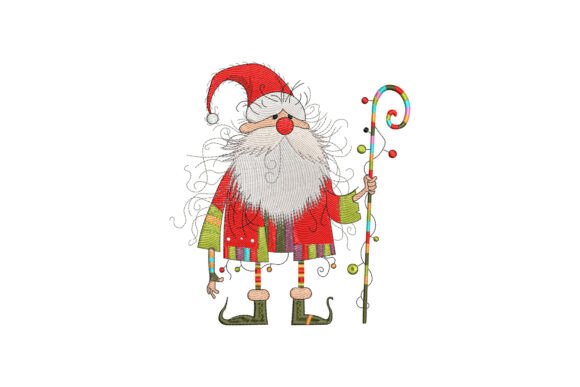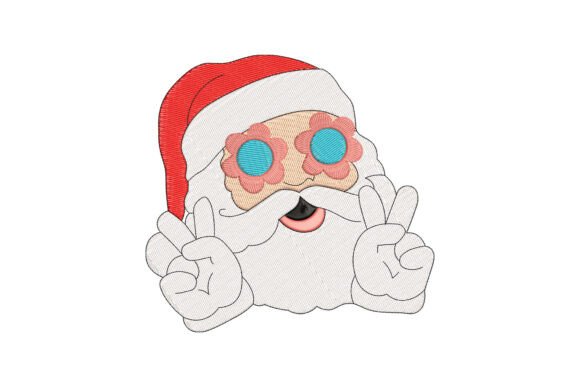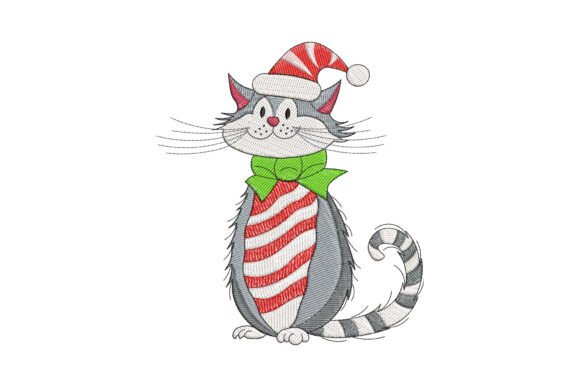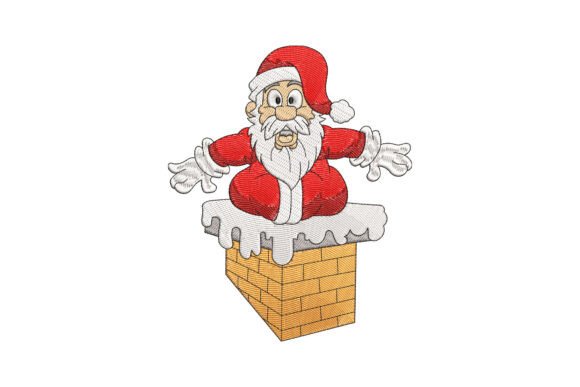
Review: Funny Quirky Santa Christmas Embroidery
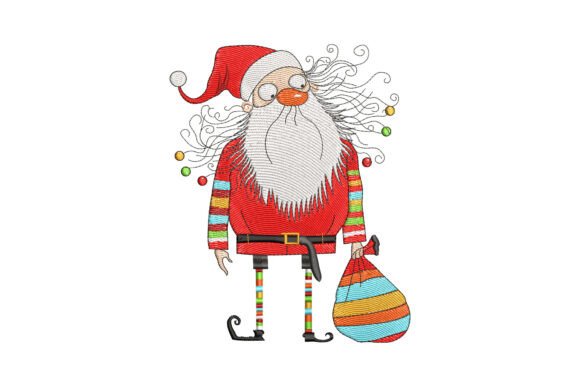
When I pull a new embroidery file into my digitizing software, my first instinct is always skepticism. The market is flooded with generic holiday assets, and many designs look charming on a screen but fall apart under the needle. However, when I loaded up the Funny Quirky Santa Christmas design, I immediately noticed a shift in tone. This isn’t your standard, stiffly posed Santa; it has a distinct personality that suggests it was made by someone who actually understands modern craft trends.
As a designer who frequently creates for small businesses and Etsy sellers, I am always looking for pieces that offer high visual impact without requiring hours of tedious stitching. My initial impression of this machine embroidery design is that it strikes a rare balance between whimsy and wearability. It feels less like a clipart image converted to stitches and more like a deliberate artistic choice. The layout is clean, the character is engaging, and it screams "gift-ready." For anyone looking to add a touch of humor and warmth to their holiday collection, this design deserves a serious look.
First Impressions and Visual Personality
The moment you see the preview, the "quirky" aspect of the title becomes clear. The design avoids the cliché of overly traditional red-and-white stripes in favor of something more playful. In the world of handmade products, personality sells. Customers scrolling through online shops are drawn to items that make them smile or feel a sense of connection. This holiday embroidery piece delivers exactly that.
From a design perspective, the composition is well-balanced. It doesn’t rely on excessive detail that might get lost during production. Instead, it uses bold shapes and clear lines that translate beautifully into thread. Whether you are planning to use a dense fill stitch for the background or rely on crisp satin stitch outlines, the structure holds up. The mood is lighthearted and festive without being cheesy. It fits perfectly into the current trend of "cozy minimalism" mixed with nostalgic humor. It’s the kind of design that makes a customer stop scrolling and think, "I need to give this to my sister."
Real-World Application: The Tote Bag Test
To truly evaluate an embroidery project, you have to imagine it on a finished product. Let’s talk about a specific scenario: preparing a batch of custom embroidered tote bags for a local holiday market or an Etsy seller listing. This is where many designs fail because they either overwhelm the fabric or disappear into the texture.
I envision placing the Funny Quirky Santa Christmas design centered on a heavy cotton canvas tote bag. Because the design has a strong focal point, it anchors the bag nicely. Unlike intricate floral patterns that can look messy on thick canvas, this design’s simplicity allows the fabric texture to show through slightly, adding depth. The contrast between the thread colors and the natural or black canvas would be striking. It transforms a basic accessory into a statement piece. Shoppers at a craft fair are likely to pick up a tote bag with this design because it signals fun and utility simultaneously. It’s not just a bag; it’s a conversation starter.
This same logic applies to other items. On a sweatshirt, the design works well as a chest-sized accent, offering a subtle nod to the season rather than a loud declaration. On baby clothes, it adds a layer of charm that parents appreciate, especially when paired with soft, neutral fabrics. The versatility here is key. It bridges the gap between custom apparel and decorative home goods effectively.
Where Caution Is Required
No design is perfect for every surface, and honest review requires pointing out limitations. While Funny Quirky Santa Christmas is robust, there are specific scenarios where you need to exercise care. If you plan to embroider this on a curved surface like a baseball cap, pay close attention to the distortion. Curved surfaces can stretch the fabric, potentially warping the circular elements of the design if the hoop placement isn’t precise.
Similarly, avoid using this on very thin or highly textured fabrics without proper stabilization. Thin materials may pucker if the stitch density is too high for the weight of the cloth. Textured fabrics, like chunky knits or bouclé, can obscure the finer details of the design. In these cases, the "quirky" details might become muddy. Always test on scrap fabric first. Additionally, if you are working with dark fabrics, ensure your thread color choices provide enough contrast. A light-colored design on a navy blue shirt might lack the pop needed to stand out, whereas white or bright metallic threads could save the look.
Technical Considerations for Designers
For those of us treating embroidery as a business, efficiency matters. One of the strongest selling points of this design is its ease of stitching. It appears optimized to reduce unnecessary trims and jumps, which means faster production times. For a craft business, time is money. A design that stitches quickly without sacrificing quality allows you to scale your output.
However, before committing to large runs, I strongly advise checking the hoop size requirements against your machine’s capabilities. Ensure the design fits comfortably within your standard hoops to avoid awkward re-hooping, which introduces alignment risks. Also, inspect the small details closely. Sometimes, what looks like a simple line in a digital preview can turn into a tangled mess of running stitch if the digitization wasn’t done carefully. Look for areas where threads might overlap excessively or where satin stitch columns might be too narrow for stable stitching.
Another critical step is testing in black and white mockups. This helps you assess the value contrast of the design independent of color. If the design relies solely on color to define its shape, it might lack structural clarity. Based on the preview, this design seems to hold its form well even without color, suggesting good underlying digitization.
Commercial Viability and Branding
If you are a small shop product creator, the commercial potential of this asset is significant. It taps into the universal love for Santa while offering a fresh twist. This freshness is crucial for standing out in saturated markets. When customers buy handmade gifts, they are often looking for something unique that reflects their personal style. A quirky Santa design allows them to express that individuality.
Furthermore, this design lends itself well to branding. Imagine it on a boutique’s packaging tag, a thank-you card insert, or a branded patch sewn onto the inside of a garment. It reinforces a brand identity that is friendly, approachable, and creative. For digital product sellers, this design can also serve as a base for printable mockups, allowing you to showcase how the art looks on various items before selling the physical product.
Remember to confirm licensing terms before selling finished items. While the design is easy to stitch, the rights to sell the resulting merchandise vary by provider. Assuming the license permits commercial use, this design offers a high return on investment due to its broad appeal and low production friction.
Final Verdict
In conclusion, Funny Quirky Santa Christmas is a standout addition to any holiday library. It combines aesthetic appeal with practical stitching characteristics, making it suitable for everything from personal gifts to mass-produced commercial embroidery projects. Its ability to convey personality through simple shapes ensures it will resonate with buyers who value authenticity and humor in their holiday decor.
Whether you are creating a one-off personalized gift or stocking shelves for the busy season, this design delivers. Just remember to respect the fabric, use the right stabilizer, and test thoroughly. When executed correctly, the final product will not only look professional but will also capture the joyous, slightly chaotic spirit of the holidays. For designers seeking a reliable, charming, and efficient embroidery project, this is a smart choice.